Table of Contents
Future of Embroidery By Cre8iveSkill
Embroidery has traveled a long way from hand-stitched decorative patterns to digitally controlled commercial production. Yet its purpose remains the same: turning thread into creative designs that add identity, texture, and visual character to fabric.
The future of embroidery is being shaped by computerized machines, smarter embroidery digitizing software, automation, personalized production, sustainable fashion, and new ways of combining traditional stitch techniques with digital technology.
For embroidery businesses, apparel brands, decorators, fashion companies, and promotional product suppliers, this shift is not about replacing embroidery craftsmanship. It is about using technology to make production more efficient while maintaining the decisions that determine stitch quality.
What Is the Future of Embroidery?
The future of embroidery is increasingly digital, automated, personalized, and production-focused.
Modern embroidery workflows can combine:
- Digital artwork preparation
- Professional embroidery digitizing
- Computerized embroidery machines
- Automated color changes and trimming
- Advanced stitch planning
- Custom and short-run production
- 3D and textured embroidery techniques
- Digital quality control
- Sustainable garment customization
Current industry discussion also points toward AI-assisted digitizing, increased personalization, textured embroidery such as 3D puff and applique, and smarter stitch planning as important directions for embroidery production.
Technology may accelerate several stages of the process, but understanding thread, fabric, design structure, and machine behavior remains essential.
How Has Computerized Embroidery Changed the Industry?
Computerized embroidery transformed the way designs are reproduced on garments and textile products. Instead of manually creating every stitch, an embroidery machine follows instructions contained within a machine-readable embroidery file.
This makes it possible to reproduce a prepared design repeatedly across garments such as:
- T-shirts
- Polo shirts
- Jackets
- Hoodies
- Caps
- Uniforms
- Bags
- Patches
- Home textiles
- Promotional products
Commercial embroidery machines can automate many repetitive production functions, while operators manage factors such as hooping, thread selection, machine setup, maintenance, and quality inspection. The technology improves production capability, but the machine still depends on the quality of the file it receives.

What Role Does Embroidery Digitizing Play in the Future?
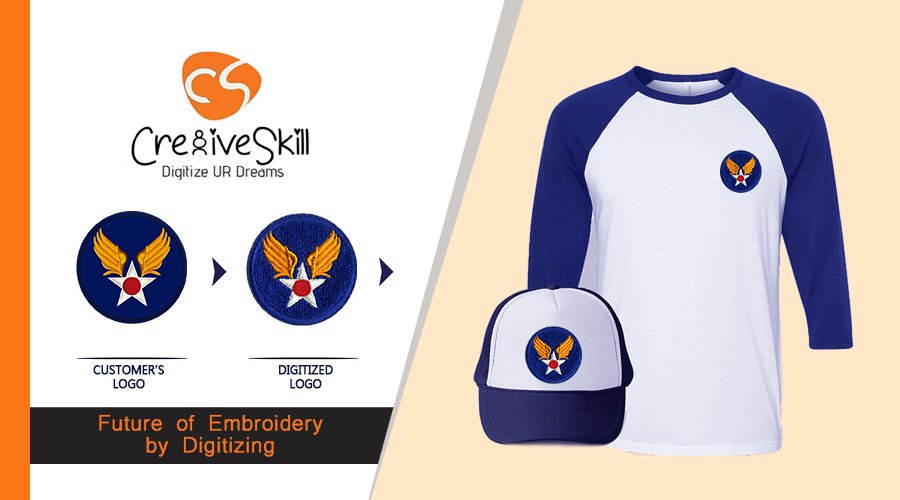
Embroidery digitizing acts as the bridge between artwork and the embroidery machine. A logo, illustration, lettering design, or image cannot simply be uploaded to most embroidery machines as a JPG or PNG and expected to stitch correctly. The artwork first needs to be translated into embroidery instructions.
A professional digitizer may plan:
- Stitch types
- Stitch direction
- Density
- Underlay
- Sequencing
- Pull compensation
- Color changes
- Trims and jumps
- Small lettering
- Fabric-specific adjustments
The result is a digitized embroidery file designed for the intended machine, fabric, size, and placement. As machines become faster and software becomes smarter, accurate digitizing remains one of the most important factors behind reliable embroidery production.
How Is Embroidery Digitizing Software Evolving?
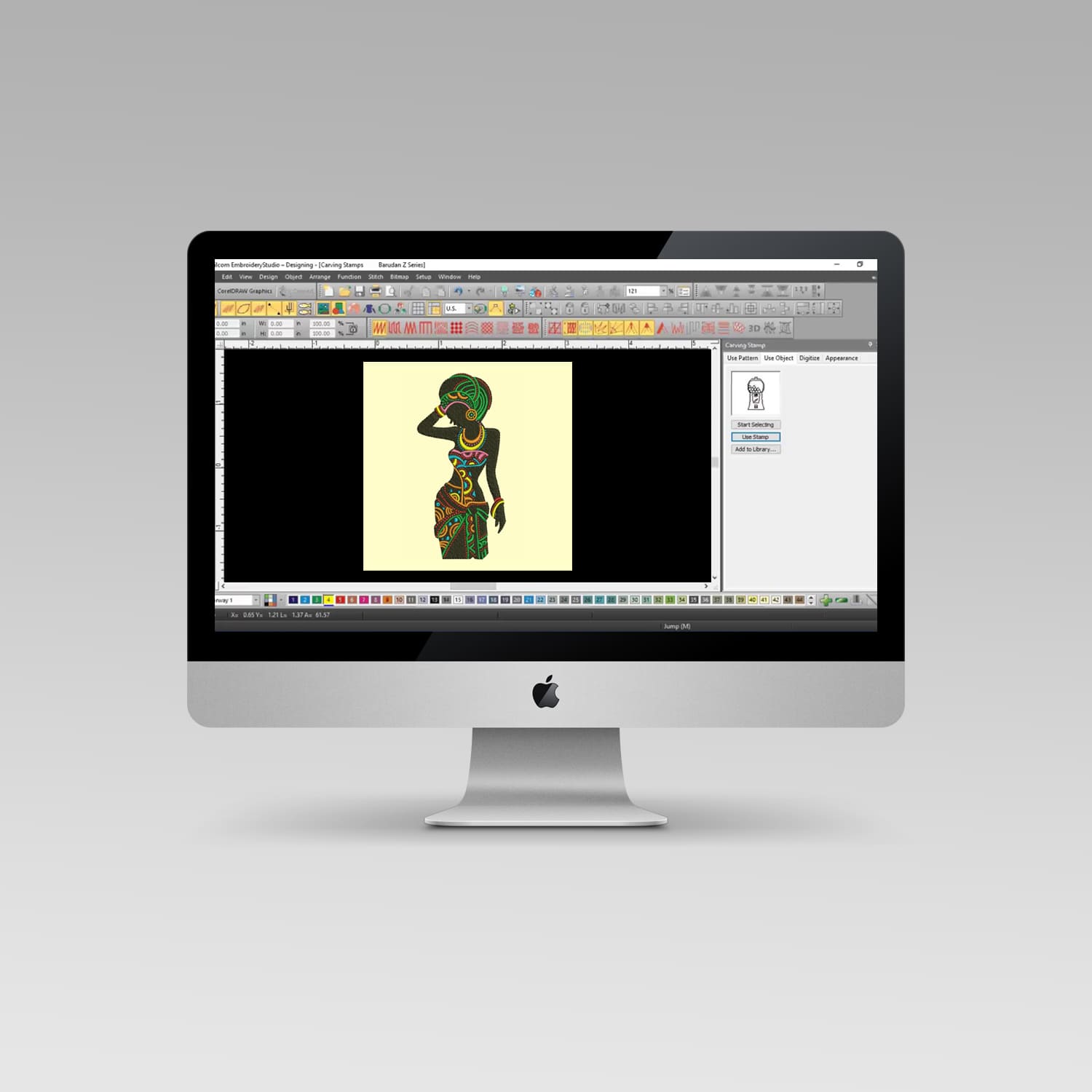
Modern embroidery digitizing software gives digitizers increasingly sophisticated control over stitch objects, sequence, density, compensation, color, and design visualization. Automation is also becoming more common.
Software can assist with tasks such as recognizing artwork shapes, suggesting stitch structures, organizing objects, and generating an initial embroidery draft.
Current industry sources describe AI-assisted and automated features as a growing part of digitizing workflows. However, automatically generated stitches still need to be evaluated according to real embroidery conditions.
A software-generated design may not automatically understand:
- How a stretchy fabric will behave
- Whether small lettering will remain readable
- Where excessive density may occur
- How stitch direction affects texture
- Which sequence reduces unnecessary movement
- How foam should be handled in 3D puff embroidery
That is why the future will likely combine greater automation with experienced human review rather than relying entirely on one or the other.
Will AI Replace Professional Embroidery Digitizers?
AI is likely to change how digitizers work, but professional judgment remains highly relevant. AI-assisted systems can make early design preparation faster by recognizing shapes or suggesting initial stitch paths.
This can be useful for repetitive or straightforward artwork. The difficult part of embroidery digitizing, however, often comes after the first automatic conversion.
A skilled digitizer still needs to evaluate:
- Fabric stability
- Design dimensions
- Small details
- Push and pull behavior
- Underlay strategy
- Stitch density
- Stitch direction
- Registration
- Machine efficiency
For commercial production, the important question is not simply whether software can generate stitches. It is whether those stitches are appropriate for the intended fabric, garment, and machine.
Why Will Personalization Shape the Future of Embroidery?
Modern customers increasingly want products that feel specific to them rather than identical mass-produced items. Embroidery is naturally suited to personalization. Names, initials, logos, dates, custom artwork, team numbers, monograms, and decorative graphics can be adapted for individual products or smaller production runs.
This creates opportunities for:
- Personalized apparel
- Corporate uniforms
- Sportswear
- Team merchandise
- Custom caps
- Monogrammed products
- Promotional merchandise
- Custom embroidered patches
- Fashion collections
- Personalized gifts
Businesses can now receive artwork digitally, prepare the design through an embroidery design online workflow, digitize it, and send the finished file into production. This digital ordering model makes professional embroidery services accessible even when the customer and production facility are located in different regions.
What Embroidery Techniques Will Continue to Grow?
The future of embroidery is not limited to standard flat stitching. Different techniques provide designers with more options for texture, dimension, and visual impact.
These include:
3D Puff Embroidery:
Foam beneath selected embroidery areas creates raised lettering and shapes, especially on caps and structured products.
Applique Embroidery:
Fabric pieces are combined with embroidered placement and finishing stitches to create dimensional designs while covering larger areas.
Chenille and Chain Stitch:
These techniques create distinctive textured surfaces commonly associated with patches, varsity styles, and decorative fashion.
Custom Embroidered Patches:
Patches remain versatile because they can combine branding, artwork, lettering, different border treatments, and multiple attachment options.
Multi-Color and Specialty Embroidery:
Newer production technologies continue expanding how colors, textures, specialty threads, and decorative effects can be incorporated into embroidery.
Current 2026 trend discussions also highlight textured embroidery, personalization, and advanced color possibilities as developing areas.
Can Embroidery Support More Sustainable Fashion?
Embroidery can play a useful role in garment repair, customization, reuse, and upcycling. Instead of discarding a garment because it looks outdated or contains minor damage, embroidery or patches can sometimes provide a decorative way to extend its useful life.
For people looking to revamp the old un-trendy garments, embroidery can add new motifs, patches, lettering, monograms, or decorative elements to existing clothing.
Examples include:
- Covering minor damaged areas with patches
- Adding embroidery to old denim
- Personalizing plain jackets
- Refreshing bags or accessories
- Adding decorative elements to existing garments
- Repurposing apparel through customization
This fits within wider fashion-industry interest in circularity, waste reduction, and technology-enabled resource efficiency. Recent research on the textile industry identifies digital technologies and automation as tools that may support more efficient production and circular practices, while also noting that technology itself does not solve every sustainability challenge.
Why Will Digital Embroidery Remain Important for Businesses?
Digital embroidery gives companies a practical way to combine branding with durable textile decoration.
Businesses use embroidery across:
- Employee uniforms
- Corporate apparel
- Workwear
- Sports apparel
- Hospitality uniforms
- School garments
- Promotional merchandise
- Fashion products
- Custom patches
- Headwear
Once artwork has been professionally digitized, the file can become part of an ongoing production workflow. For embroidery businesses handling many customer designs, outsourcing professional digitizing can also reduce the need to prepare every file internally.
How Can Businesses Prepare for the Future of Embroidery?
Businesses do not necessarily need to adopt every new technology immediately. A better approach is to strengthen the entire embroidery workflow.
Focus on:
- Starting with clear, high-quality artwork.
- Providing the correct embroidery dimensions.
- Identifying the garment or fabric before digitizing.
- Using the correct machine file format.
- Reviewing files for real production requirements.
- Testing complex designs before larger production runs.
- Using automation where it improves efficiency.
- Keeping experienced production judgment in the workflow.
Technology should support embroidery knowledge rather than replace proper production planning.
How Does Cre8iveSkill Support Modern Embroidery Production?
Cre8iveSkill works with embroidery businesses, apparel decorators, brands, and other customers requiring artwork to be translated into production-ready embroidery files. The process begins with understanding the design and its intended application. Factors such as embroidery size, fabric, placement, stitch direction, density, underlay, sequencing, compensation, and machine format can then be considered before preparing the final file.
Whether the project involves a logo, lettering, cap design, patch, decorative artwork, or another custom application, professional embroidery digitizing helps connect creative artwork with computerized embroidery production. The tools will continue to evolve.
Machines will become smarter, software will automate more repetitive tasks, and personalized production will become increasingly accessible. But the core of embroidery will remain recognizable: combining design, thread, fabric, and skill to create something people can see, touch, wear, and remember. That combination of technology and craftsmanship defines the future of embroidery.
FAQ
The future of embroidery combines computerized machines, professional digitizing, smarter software, automation, personalization, textured embroidery techniques, and more efficient production workflows. Technology is expected to make some processes faster while human expertise remains important for production quality. Learn More.
Digital embroidery uses a machine-readable stitch file to control how an embroidery machine creates a design. Artwork must first be digitized so stitch types, direction, density, sequencing, underlay, and other production details are defined.
Embroidery can add patches, monograms, decorative artwork, or new branding to existing garments. It can also cover selected damaged areas, helping refresh clothing that might otherwise be discarded.
AI-assisted and auto-digitizing tools can help create an initial stitch structure from artwork, but commercial embroidery files may still require professional review. Fabric, size, density, underlay, small lettering, sequencing, and machine behavior can require adjustments that depend on the specific project.
